How Plant Cells Differ from Animal Cells
 著者: 佐々木 一輝
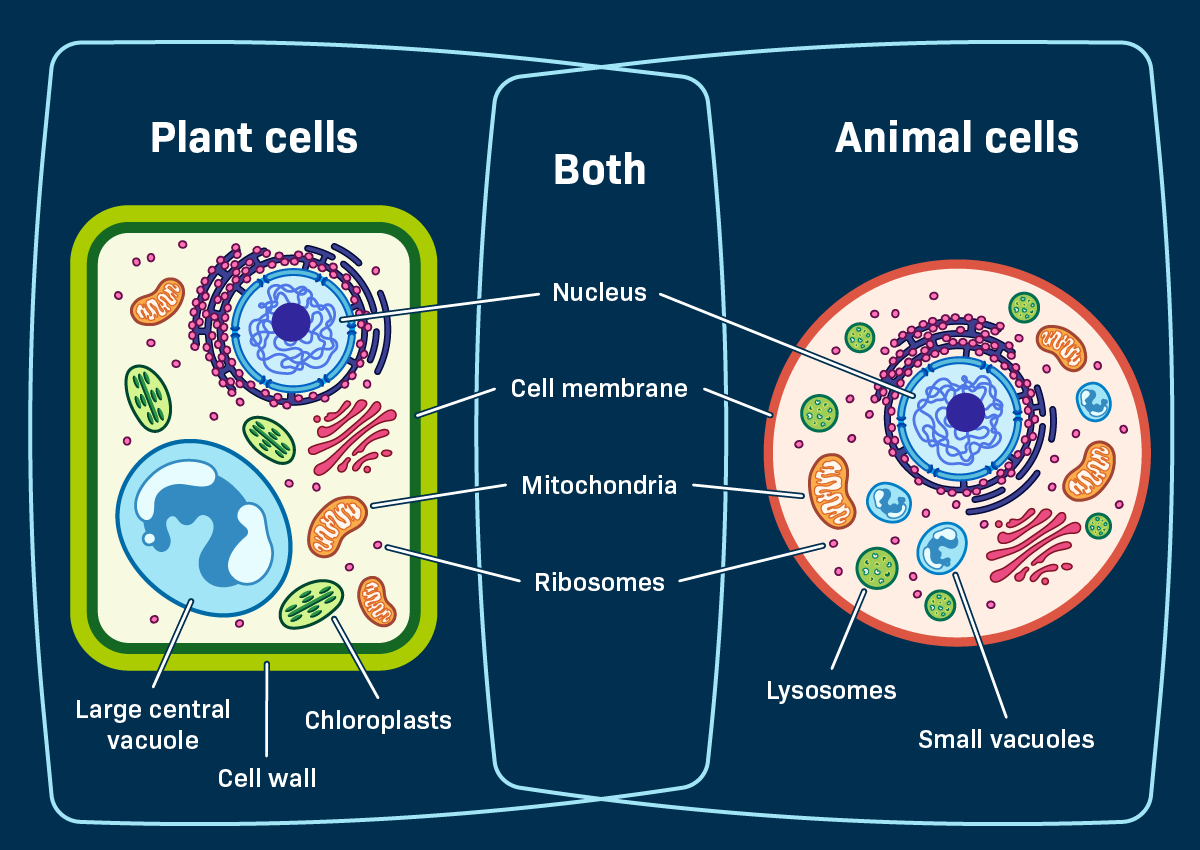
Every living thing, from your pet iguana to that sad basil plant on your windowsill, is built from cells. But peel back the microscope, and the differences between plant and animal cells are as stark as a nightclub and a monastery. Both have nuclei, mitochondria, and the usual internal machinery, but the vibe is completely different.
The key difference? Plants make their own food, while animals must hunt, gather, or order takeout. This fundamental lifestyle choice dictates everything else about their structure. It’s the difference between being a self-sufficient homesteader and a hungry urbanite.
The Green Kitchen: Chloroplasts
The most obvious party trick of a plant cell is the chloroplast. These little green factories are the ultimate DIY kitchen, turning sunlight, water, and air into sugar. Animals lack these entirely; we have to eat our energy pre-made, which is why brunch feels like a spiritual event.
Here’s a fun fact: chloroplasts used to be free-living bacteria that got cozy inside ancient plant cells billions of years ago. It’s the original Airbnb success story. So next time you bite into a salad, you’re eating solar-powered bacteria leftovers.
The Fortress Wall: The Cell Wall
While an animal cell is a squishy, flexible blob, a plant cell wears a rigid suit of armor. That suit is the cell wall, made mostly of cellulose—the same stuff that makes celery crunch and paper strong. It gives plants their structure, letting them stand tall without a skeleton.
Animal cells don’t have this wall; we have a flexible membrane that lets us move, change shape, and, you know, dance. Without a cell wall, an animal cell is like a water balloon at a rock concert—energetic but structurally vulnerable. A plant cell is more like a brick in a wall: stable, but immobile.
The Water Tower: The Vacuole
Have you ever noticed how a wilted lettuce leaf perks up in water? That’s the central vacuole doing its job. Plant cells have one enormous, water-filled vacuole that acts like a water tower, providing pressure (turgor) to keep the cell firm. When it’s empty, the plant droops.
Animal cells have tiny vacuoles, more like small storage closets than a main water tank. They use them to transport snacks or digest waste. It’s the difference between owning a massive pantry for survival versus a small cooler for the road trip.
Shape-Shifters vs. Architects
Because of that rigid cell wall, plant cells are usually rectangular or boxy—think of a perfectly cut brick. Animal cells, free from that constraint, can be anything: round, star-shaped, or long and spindly like a nerve cell. This flexibility allows animals to build complex tissues like muscles and brains.
This explains why you can’t just “grow” a new arm, but a plant can regrow an entire branch from a cutting. Plant cells are totipotent, meaning nearly any cell can become a whole new plant. Your arm cells are specialists—they have a job and they stick to it.
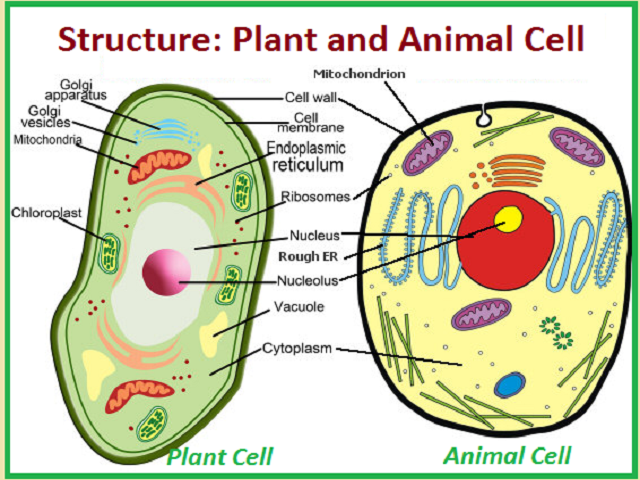 Animal Cell Structure And Plant Cell Structure
Webメディアでの編集・執筆歴10年。読者の好奇心を刺激するストーリー作りを心がけています。
